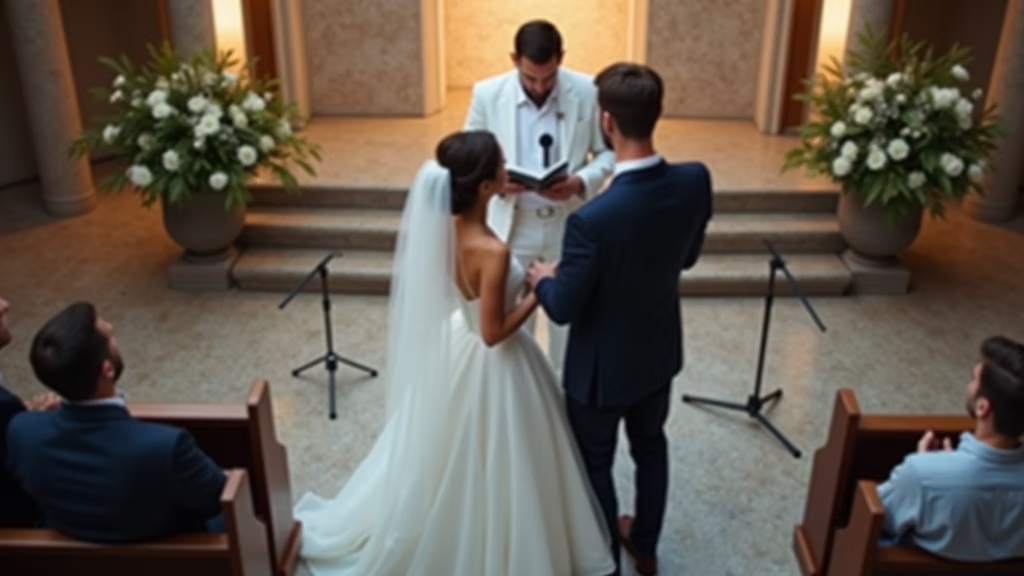
Capturing clear audio during a wedding is essential. It allows couples to relive their special day through the sounds of love, laughter, and heartfelt vows. When audio is clear, it enhances the emotional impact of the wedding film. This is why I prioritize audio quality in every wedding I film.
Why Every Voice Needs Its Own Microphone
The bride, groom, and officiant each play a vital role in the ceremony, and their voices carry different emotions and messages. When only one microphone is used or when the mic is poorly placed, the audio can become uneven or muffled. For example, if the officiant’s mic picks up mostly their voice but misses the couple’s vows, the recording loses its emotional impact.
Using a concealed microphone for each speaker allows for clear, isolated audio tracks. This setup reduces interference from background noise or other voices. It also helps when mixing audio later, whether you’re working with a recording from the venue or DJ mixer. Each voice can be adjusted individually for volume and clarity.
Best Practices for Micing the Bride and Groom
The bride often wears a white dress, so using a white mic for the bride is a smart choice. It blends in naturally and doesn’t distract from her outfit or the ceremony’s aesthetics. For the groom, a black or neutral-colored mic works well depending on his attire.
One trick I’ve used is to hide the mic behind the buttoner on the groom’s suit. This placement keeps the microphone discreet while capturing clear audio. For the bride, the mic can be concealed in the neckline or on a strap, ensuring it stays out of sight but close enough to pick up her voice.
If the couple prefers not to wear lapel mics, the last resource is to attach a mic to the hand mic used by the officiant or speakers. This isn’t ideal since it can pick up more ambient noise and requires careful handling, but it can work in a pinch.
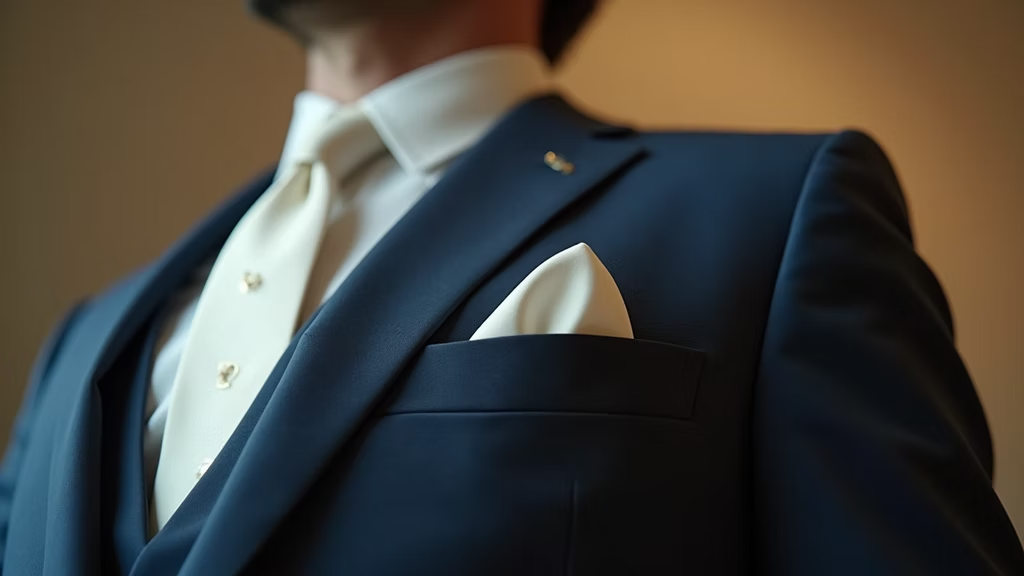
Groom wearing a concealed microphone behind the buttoner for clear audio
Micing the Officiant for Clear Guidance
The officiant guides the ceremony and often speaks the most. Their voice must be crystal clear for both the live audience and recordings. A mic with internal recording capabilities can be a great choice here, capturing high-quality audio directly from the source.
Placing a concealed microphone on the officiant’s lapel or collar ensures their voice is picked up without interference. It also allows them to move naturally without worrying about holding a microphone. This freedom helps the officiant focus on delivering the ceremony smoothly.
Avoiding Interference and Audio Issues
One common problem in wedding audio is interference from other wireless devices or overlapping frequencies. Using multiple microphones increases the risk of interference, but careful frequency planning and using high-quality equipment can minimize this.
When working with a recording from the venue or DJ mixer, it’s important to check the audio levels beforehand. Sometimes, the venue’s system may not be optimized for multiple wireless mics, causing dropouts or feedback. Testing the setup in advance and having backup options like a handheld mic can save the day.
Practical Tips for Wedding Organizers and Couples
- Plan mic placement early in the wedding timeline. Coordinate with the audio technician or DJ to ensure the right equipment is available.
- Use concealed microphones to keep the look elegant and avoid distracting the guests.
- Choose a white mic for the bride to blend with her dress.
- For the groom, hide the mic behind the buttoner for discreet placement.
- Ensure the officiant has a mic with internal recording or a reliable lapel mic.
- Test all equipment to avoid interference and check audio quality from the venue or DJ mixer.
- Have a last resource plan, like attaching a mic to the hand mic, in case of unexpected issues.
The Emotional Impact of Clear Audio
Clear audio is not just about technical quality; it’s about preserving the emotions of the day. When couples listen to their vows years later, they want to hear the love and commitment in each word. The right audio setup allows these moments to shine, creating a lasting memory that they can cherish forever.
In conclusion, investing time and effort into capturing clear audio during a wedding ceremony is crucial. It enhances the overall experience and ensures that every heartfelt moment is preserved. By following best practices for micing the bride, groom, and officiant, couples can enjoy their special day without worrying about audio issues.